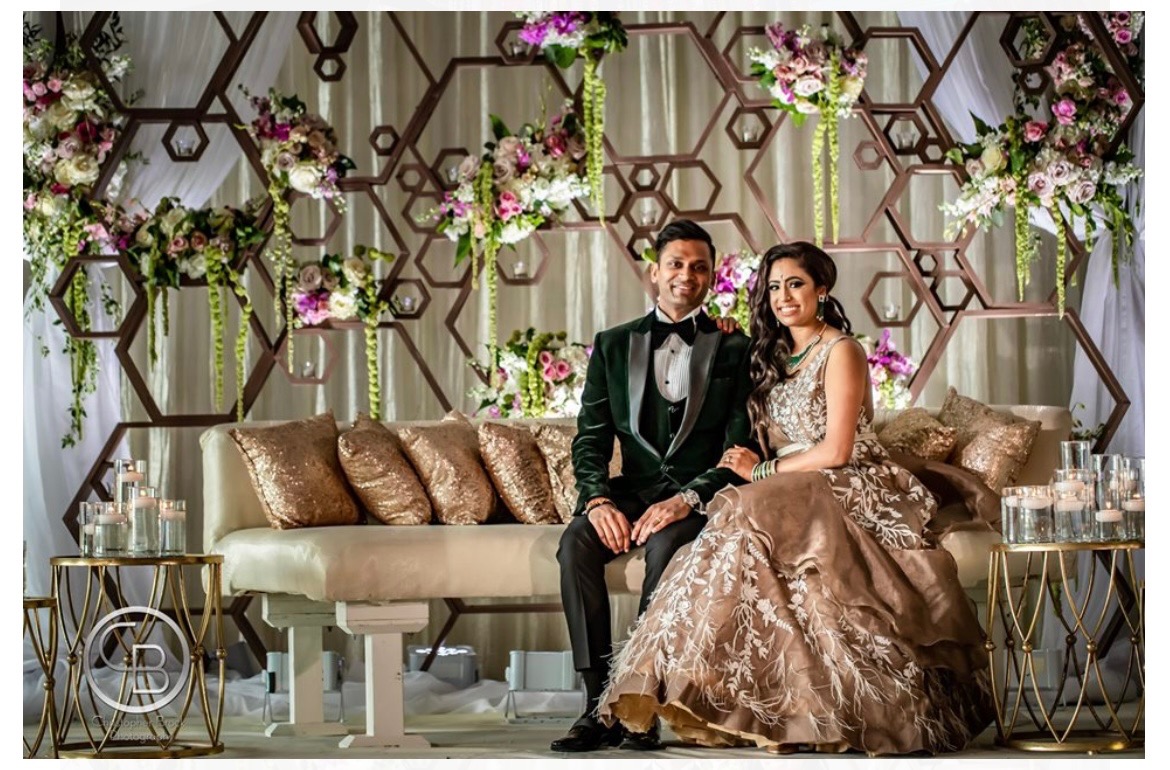
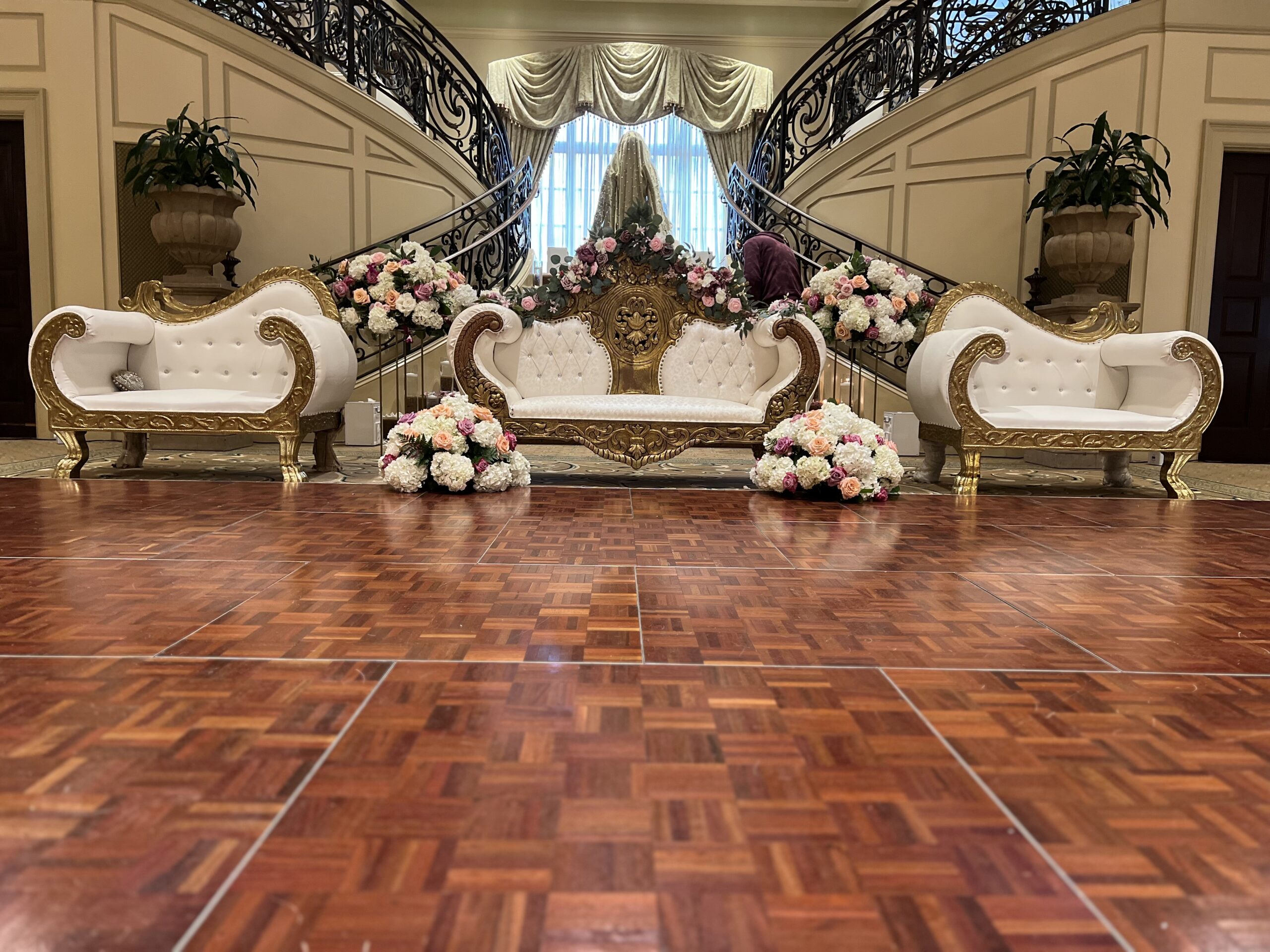
In an Indian wedding, every ritual, color, and arrangement carries meaning, but nothing holds as much emotional and cultural importance as the mandap. It is not merely a decorative structure placed at the venue; it is the spiritual heart of the ceremony. Under this sacred canopy, vows are exchanged, rituals are performed, and two families come together.
Rooted in centuries-old traditions, Indian marriage mandap decoration stands apart because it blends symbolism, craftsmanship, and cultural values into a visually captivating and spiritually significant space. This blog explores the elements that make traditional mandap decoration truly special and timeless.
The Mandap as a Sacred Structure
Traditionally, the mandap is designed as a four-pillared structure, each pillar representing one of the four pillars of life: dharma (duty), artha (prosperity), kama (desire), and moksha (liberation). These concepts are central to Hindu philosophy and marriage itself. The structure symbolizes balance, stability, and the foundation on which a married life is built.
Unlike purely aesthetic wedding stages, the mandap is designed to support sacred rituals. Its layout ensures the priest, the sacred fire, and the couple are positioned according to ancient customs. This spiritual alignment gives traditional mandaps a depth that goes beyond visual appeal.
Cultural Diversity Reflected in Mandap Designs
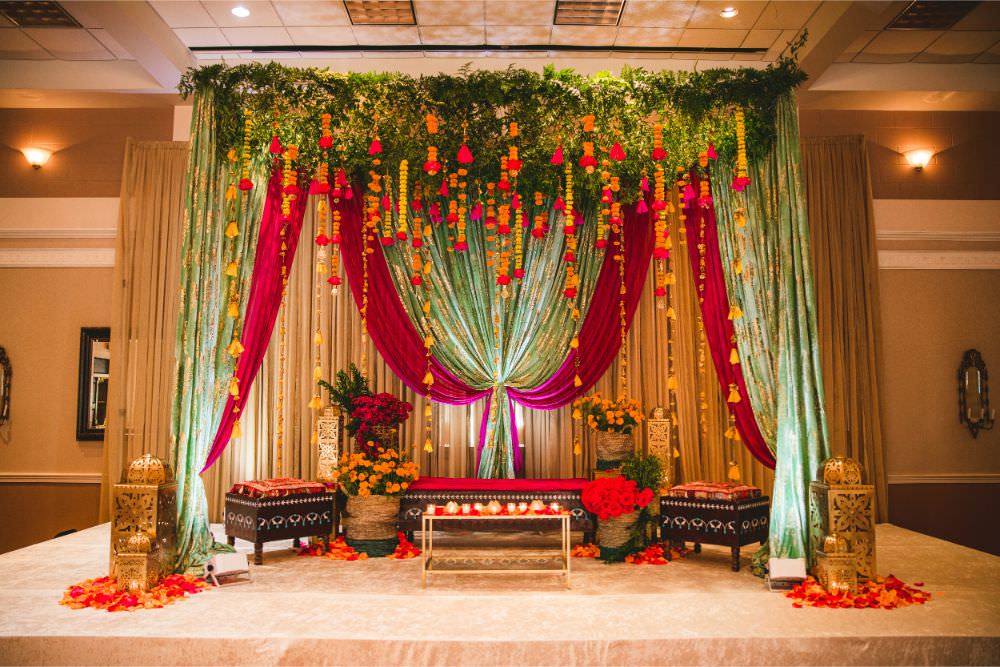
India’s cultural diversity is beautifully reflected in mandap decoration styles. North Indian mandaps often showcase rich drapes, floral garlands, and bold colors such as red, maroon, and gold. South Indian mandaps are inspired by temple architecture, featuring banana leaves, mango leaf torans, and fragrant jasmine flowers.
Bengali mandaps emphasize simplicity with white flowers and red accents, while Rajasthani mandaps stand out with vibrant colors, mirror work, and traditional motifs.
Despite these regional variations, the essence remains consistent. Traditional mandaps reflect heritage, customs, and blessings passed down through generations. This strong cultural identity is a defining feature of Indian marriage mandap decoration, making each setup unique yet deeply rooted in tradition.
Symbolism Behind Floral Decorations
Flowers are an integral part of traditional mandap decor. Their selection is never random. Marigolds symbolize positivity and prosperity, roses signify love and beauty, and jasmine represents purity and devotion.
These flowers are used to create garlands, hangings, backdrops, and ceiling arrangements that enhance both the beauty and sanctity of the mandap.
Fresh flowers also add fragrance and vibrancy, creating a serene and auspicious atmosphere. The use of natural elements reinforces the connection between the ceremony and nature, a core aspect of traditional Indian weddings.
Color Palettes with Cultural Significance
Colors play a vital role in mandap decoration, each carrying its own meaning. Red is associated with love, strength, and marital commitment. Yellow represents purity, knowledge, and prosperity. Green signifies harmony and growth, while gold adds a divine and celebratory touch.
Traditional mandaps focus on auspicious color combinations rather than trend-based palettes. This approach ensures that the decor remains timeless and culturally appropriate. The result is a setting that feels both festive and sacred, enhancing the emotional impact of the ceremony.
Handcrafted Elements and Traditional Artistry
One of the most distinctive aspects of traditional mandap decoration is the use of handcrafted elements. Wooden pillars carved with traditional motifs, handwoven fabrics, embroidered drapes, and hand-painted backdrops reflect the skill and dedication of artisans.
Decorative items such as brass lamps, clay diyas, kalash, bells, and rangoli designs are often handmade, adding authenticity and warmth to the setup. These elements bring a sense of craftsmanship and heritage that mass-produced decor cannot replicate, elevating the overall experience of Indian marriage mandap decoration.
Sacred Accessories That Complete the Ritual Space
Traditional mandaps are thoughtfully designed to accommodate essential ritual items. The sacred fire, or agni, is placed at the center, symbolizing divine witness to the marriage. Items like coconuts, betel leaves, rice, and holy threads are arranged carefully as part of the rituals.
The decor supports these rituals rather than overpowering them. Every placement follows traditional guidelines, ensuring harmony between aesthetics and religious practices. This balance is a key reason why traditional mandaps feel spiritually grounded.
An Inclusive Space for Families and Blessings
The mandap is not only for the couple; it is a shared space where families actively participate. Elders offer blessings, priests conduct rituals, and relatives witness every sacred moment. Traditional mandap layouts are often open and inviting, allowing guests to feel emotionally connected to the ceremony.
This inclusivity strengthens the sense of togetherness. The mandap becomes a place where generations come together, reinforcing family bonds and cultural continuity.
Timeless Appeal That Transcends Trends
While modern weddings often experiment with themes and contemporary setups, traditional mandap decoration remains evergreen. Couples may adopt modern elements in other parts of the wedding, but the mandap often stays rooted in tradition.
Photographs of traditional mandaps retain their elegance over time. Years later, they continue to evoke the same sense of grace and authenticity. This timeless quality makes Indian marriage mandap decoration a preferred choice for couples who value both beauty and meaning.
Personalization Within Traditional Frameworks
Traditional mandap decor allows room for personalization without compromising cultural values. Families may incorporate heirloom fabrics, symbolic motifs, or specific flowers that hold personal significance.
These thoughtful additions enhance the emotional value of the mandap while respecting tradition. This ability to blend personal stories with age-old customs ensures that each mandap feels unique and meaningful.
Conclusion: A Perfect Union of Tradition and Meaning
Traditional Indian marriage mandap decoration is special because it goes beyond aesthetics. It represents culture, spirituality, craftsmanship, and family values coming together in one sacred space. Every element, from flowers and colors to symbols and structure, serves a purpose rooted in tradition.
In an era where weddings are increasingly focused on visual trends, the traditional mandap stands as a reminder of meaning and heritage.
Its timeless beauty, spiritual depth, and cultural authenticity make Indian marriage mandap decoration not just a design choice, but a celebration of tradition that continues to hold significance across generations. Pramukh Mandapam offers mandap decoration services that focus on cultural values and visual harmony for weddings and traditional events.
Each setup reflects traditional aesthetics with thoughtful use of colors, fabrics, and floral arrangements. The team ensures a well organized mandap that complements rituals and creates a graceful setting for ceremonies.